Client work
Valencia Baryton Project
Operations platform & public site
Design, architecture, development, operations
The Valencia Baryton Project is a touring chamber ensemble: four people, real money moving between them, and an operation held together by spreadsheets. We built the back office first — a role-based platform with a finance ledger tracking expenses from planned through reimbursed, a shared task board, a concert-program generator, and an append-only activity log that no role can edit or delete, the owner included.
The part that matters most is who doesn't see what. The ensemble's booking agent works in the system but reaches none of the finance pages — no page, no table, no export — because the agent's fee is one of the transactions, and a participant in a ledger shouldn't read the ledger. That separation is enforced by database policies written as a positive allowlist — not by application code — and the finance feature deliberately exposes no privileged function that could bypass them. Software at this size usually gets sharing right and separation wrong; this was designed around separation from the first migration.
The same platform prints the ensemble's concert programs — rendered by the browser's own print engine, no PDF library, no second layout engine to drift from the site's stylesheet. Each program sets its type density from a line count, so a work with movements costs the page what it should, fills the page rather than trailing off, and is never split across a page boundary; when a program genuinely needs a second sheet, the system says so instead of surprising anyone. The task board gives each person a column, sends email on assignment and completion, and keeps a timeline of every change. Every feature traces to a real complaint: the ledger began with a rental car settled between three people, the board because things were falling between four busy ones.
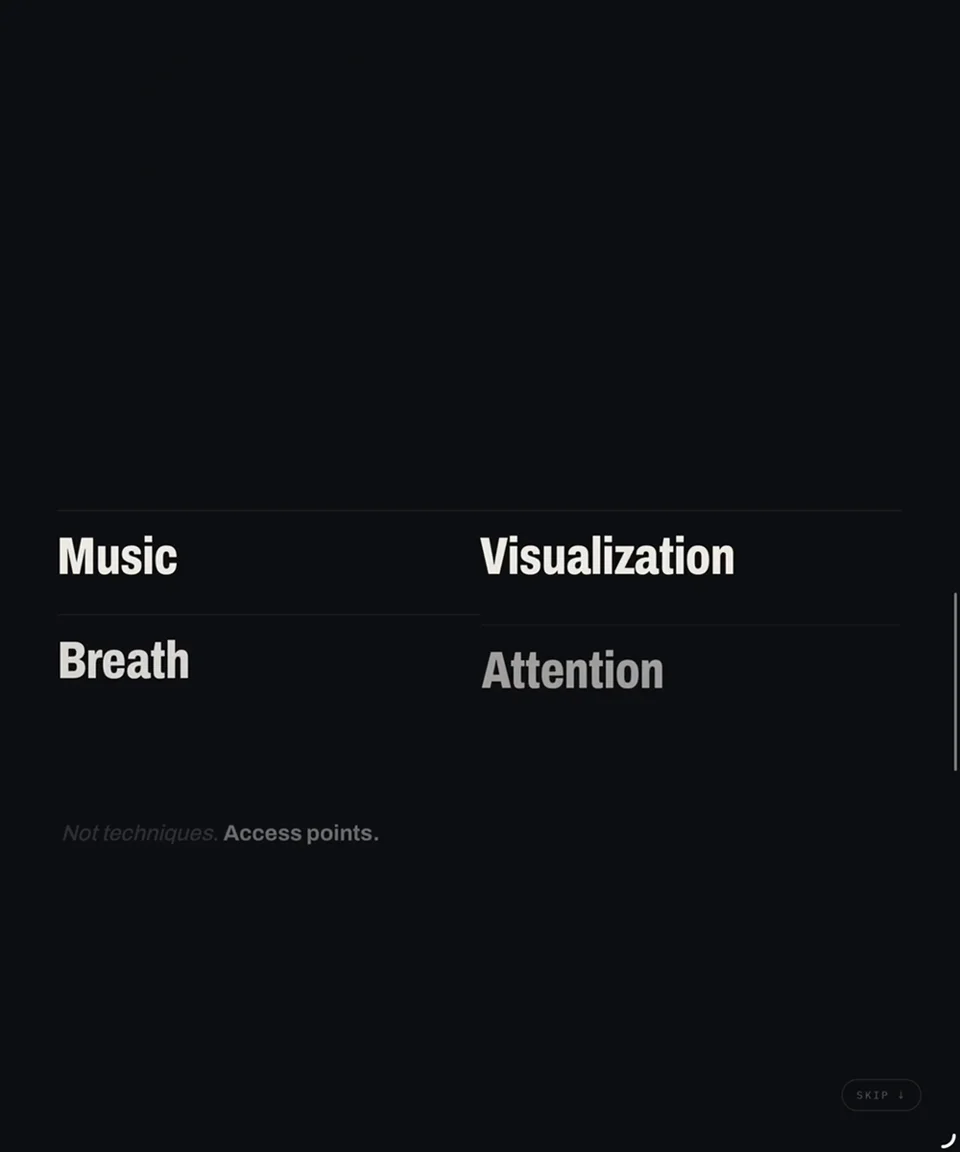
In front of it all sits the public site — video hero, cycling press quotes, a two-ground design system, and a full content admin so nothing needs a developer to change. The engagement shipped in three weeks — 41 database migrations in that span, none rolled back, no outages — at a fraction of the hours behind comparable agency builds, which are typically quoted at $25,000–70,000. And plainly, because it's why the domain understanding runs deep: our founder plays viola in the ensemble.
- Next.js
- TypeScript
- Tailwind
- Supabase
- PostgreSQL
- Vercel
- Resend